Build Perspectives with Jack Lovel
Posted on March 9, 2026 • 10 minutes • 1997 words
Notes from a 2-day Leica architectural photography workshop
There’s a moment in every shoot, Jack Lovel says, just before he reaches for his Leica, where he stops and asks himself: does this photograph feel honest?
It’s a deceptively simple question — and one that took him the better part of two decades to start asking. The Perth-raised photographer, who nearly enrolled in architecture school before losing his nerve at the interview, has built a career photographing the built environment by slowly unlearning everything the market once told him it wanted.
The Clean White Lie
For a long time, the brief was implicit: crisp, high-key, cloudless. Shoot on elevation. Strip the rooms bare. Wait for the dusk shot. Jack was good at it. He got work, got published, got noticed. Then a gallerist pulled him aside after an exhibition and the photographs — technically immaculate, every line true — felt hollow. Something was missing.
I felt they lacked a real sense of authenticity," he said. “And I realized I’d been influenced by someone whose advice I probably shouldn’t have taken on board.
That moment became a turning point. Not a dramatic pivot so much as a permission slip — to stop making photographs that looked like renders and start making ones that looked like places people actually lived in.
On Authenticity (and AI)
The timing matters. The conversation about what architectural photography is has never been more fraught, with AI-generated imagery that can pass for a finished shoot sitting a prompt away from anyone with an internet connection. Jack’s position is clear: he never wants anyone to look at his work and wonder whether it’s a photograph. That line — the one between documentation and fabrication — is where he’s chosen to plant his flag.
This shows up in the small decisions. These days he pushes back when clients want furniture swapped for hired props. He favors the homeowner’s own belongings over the perfectly curated stylist’s kit. He shoots cloudy mornings because they’re truer to the experience of being inside a space. And when he looks back at a dusk shot he made ten years ago — the one with the clean sky and every line perfectly resolved — he now prefers the version he almost discarded: the one with the moody overcast light and a little uncertainty at the edges.
The Storyboard
The other thing Jack has refined over the years is the idea that a project is never a single frame.
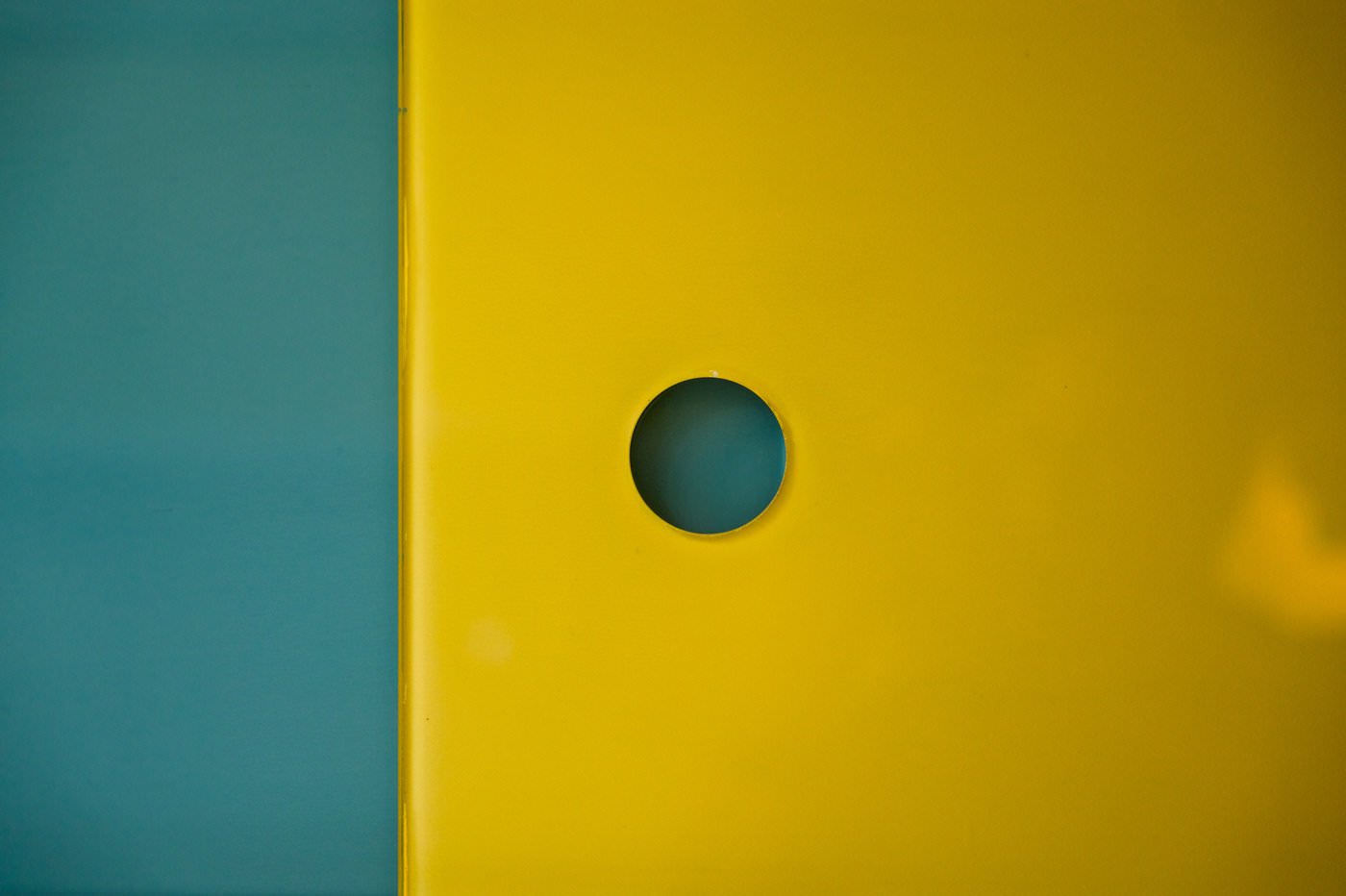
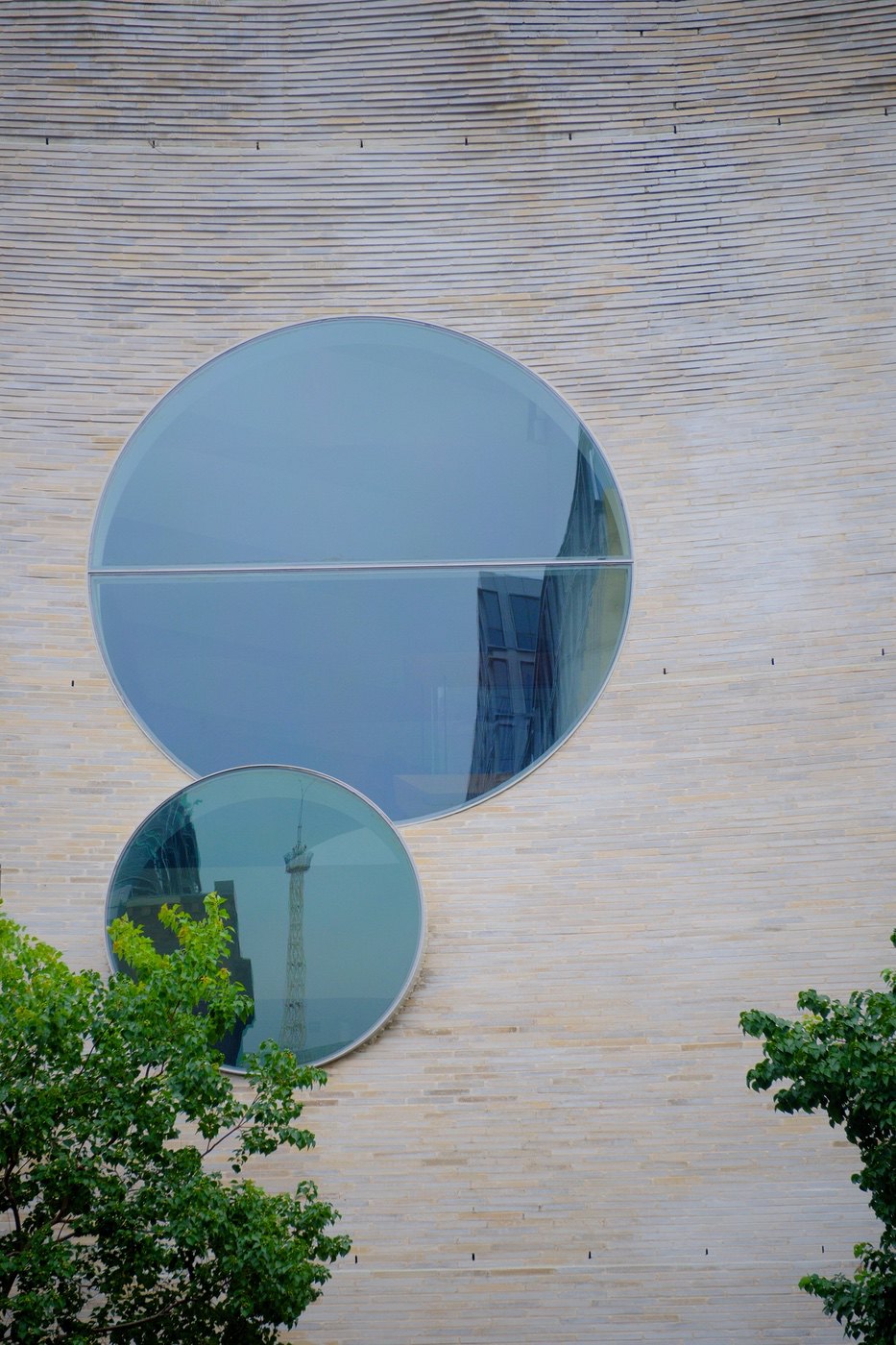
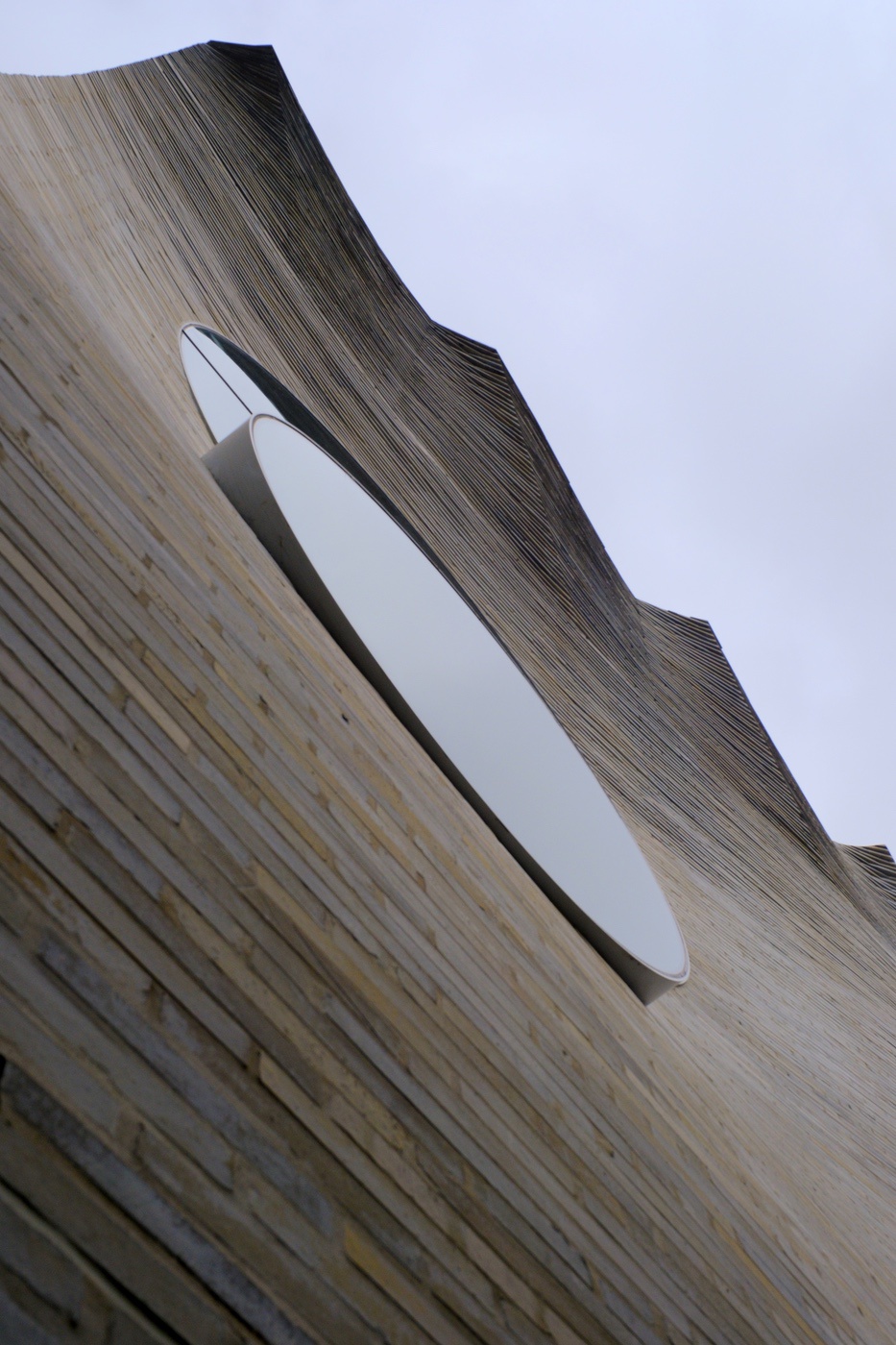
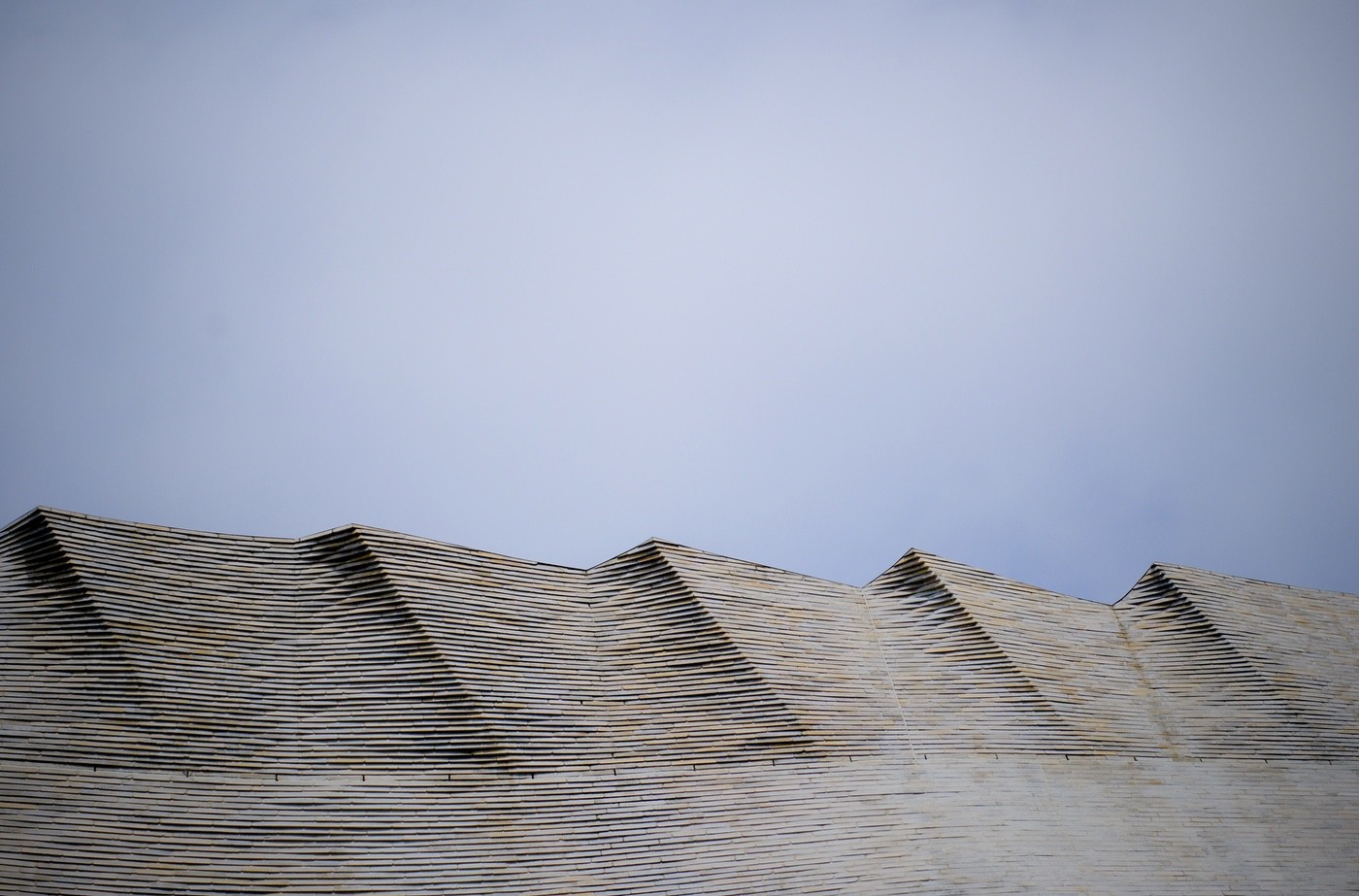
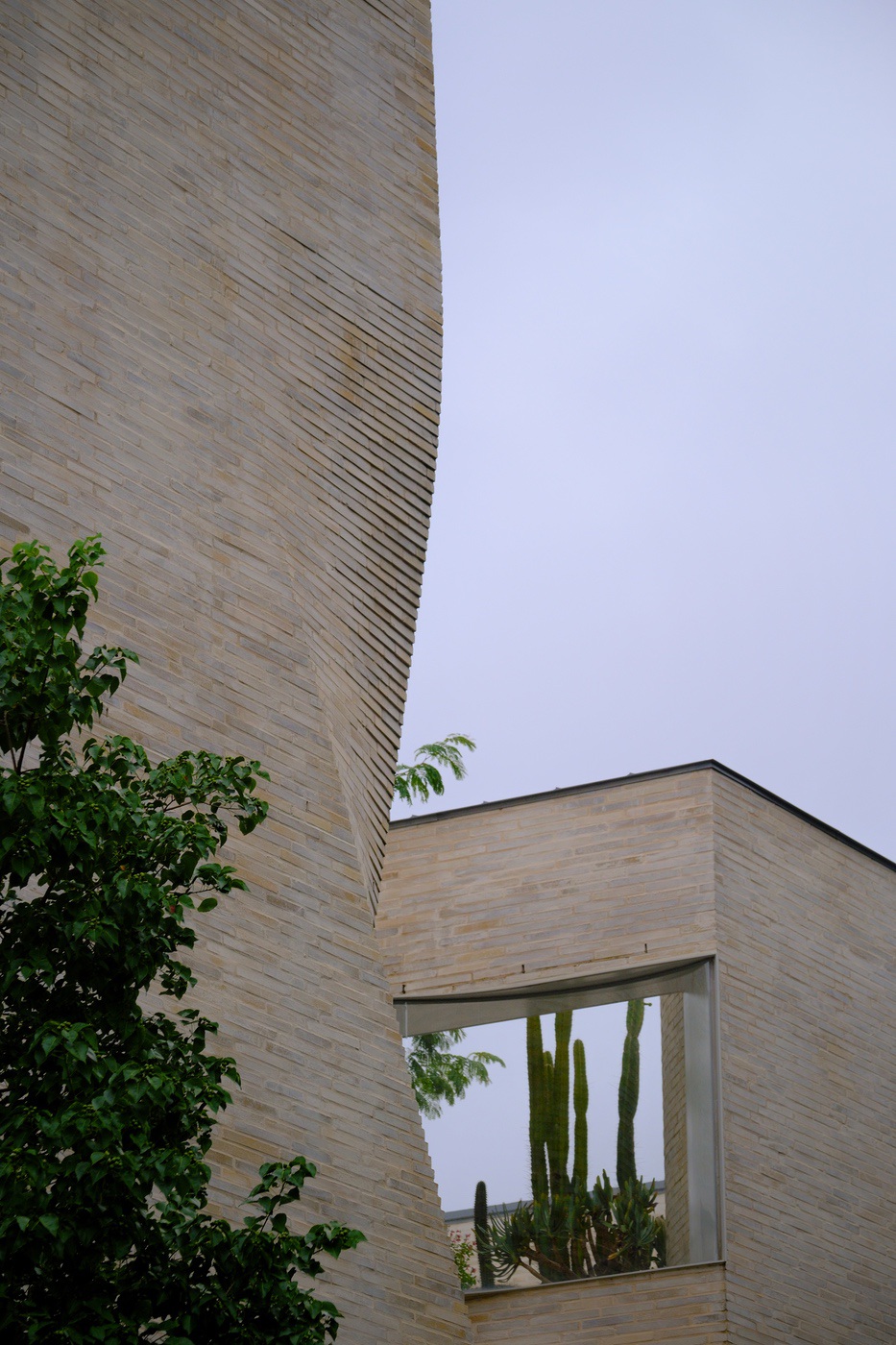
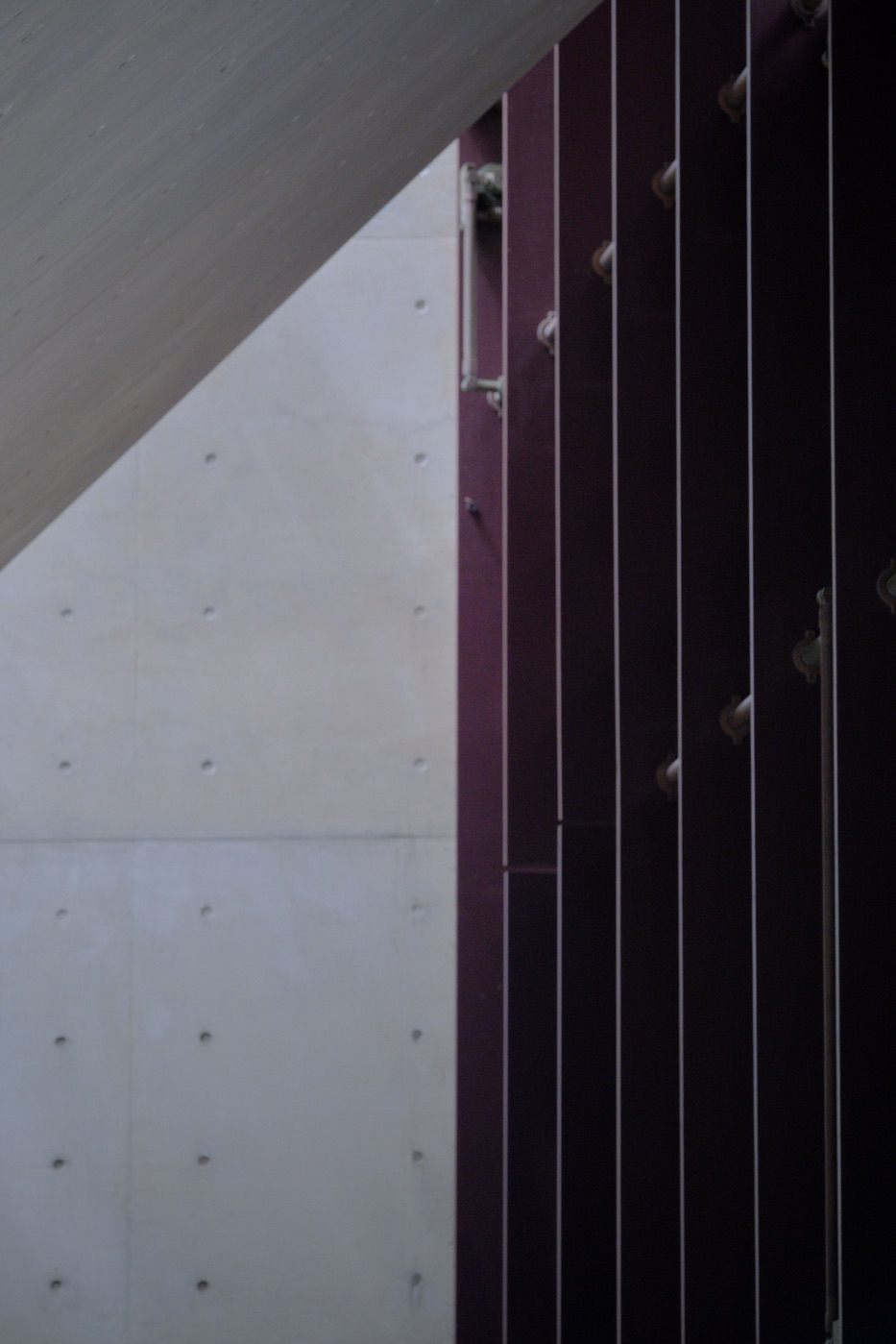
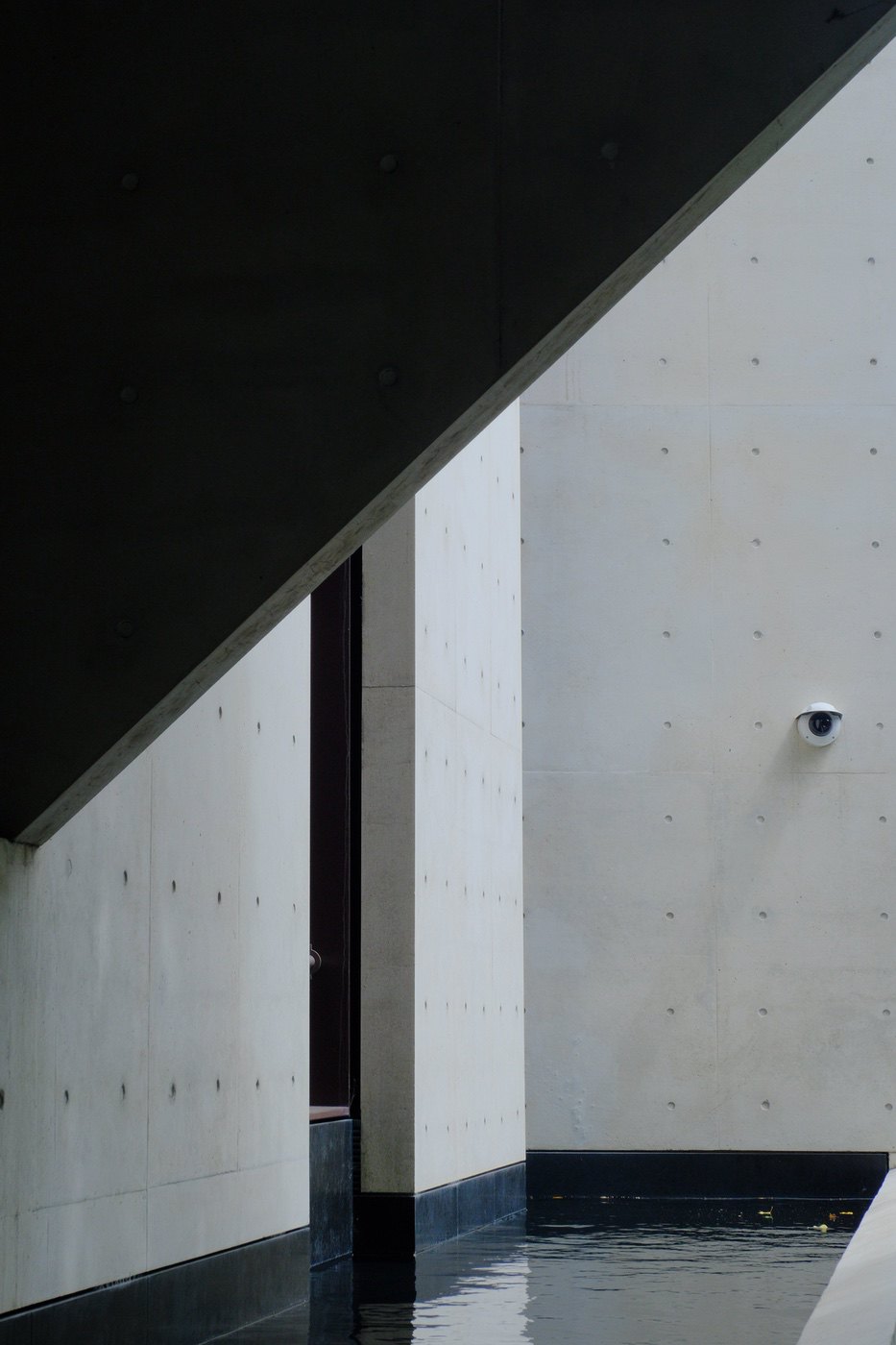
He talks about it like a film editor would: overalls that establish scale and place, vignettes that let you breathe into the space, and abstract shots — his favorites — that isolate materiality and geometry until they become something close to pure composition. These three registers, combined, tell the story. Shown individually, they can be beautiful and mean almost nothing.
Before he presses the shutter on the hero shot, he walks the space and maps out what he needs: how many frames, what light, which direction, what time. He’ll pull out his iPhone to mock up a composition before committing to the tripod. He uses a sun tracking app for every job, commercial or residential, to know exactly where the light will be and when. Then, near the end of the day, when he’s captured everything he came for, he’ll do something he wouldn’t have considered a decade ago — set the tripod aside and just walk around with the camera in his hand.
Some of his favorite photographs come from those last loose twenty minutes.
Patience as Method
The recurring word across the workshop, spoken without irony, was patience.
Patience waiting for trains to clear a frame — no compositing, just timing. Patience chasing that narrow window between sunset and proper dark when the light goes warm and impossible and then disappears. Patience watching weather forecasts with the anxiety of someone whose entire shoot depends on whether a cloud moves. He admits he’s been watching the sky all week ahead of today.
Light, Equipment, and the Tilt-Shift He Rarely Uses
Jack shoots on a Leica with the 24–90mm as his workhorse. A few years ago he’d have called that irresponsible — tilt-shifts were the only serious tool for architectural work, keeping planes parallel, correcting verticals. Now he reaches for the shift lens only when he absolutely has to, and has found that getting physically further from his subject solves most of the problems he used to correct in glass.
For lighting, he defaults to available daylight and scrims when the sun is too harsh. When he does bring artificial light, it’s film-balanced and invisible — the goal is that you can’t tell. For interior shots with feature lighting, he’ll have an assistant flick the lights on and off during a long exposure until he captures the glow exactly right, rather than blending it in post.
You’ll never hear me say ‘we’ll fix it in post.’
He means it. The file should be as close to finished on set as he can make it. The post-production is for refinement, not rescue.
But the more interesting question underneath all of it was the one Jack kept returning to in different forms: what is this photograph for, and does it feel like the truth?
Architecture photography, at its best, is the only record most people will ever have of a space. The architect’s client might visit once. Everyone else experiences the building through the lens. That weight — the responsibility of honest representation — is what Jack has built his practice around.
Jack grew up in a house designed by Iwan Iwanoff. He didn’t know that then — not really. But when he started researching the Bulgarian-born modernist architect who’d washed up in Perth after World War II and quietly practiced there for thirty years, largely unknown to anyone outside Western Australia, the penny dropped. That first family home was the door that opened everything.
The Long Game
The Iwanoff project started simply: Jack sent letters to homeowners. Not with a camera in hand, but with a coffee and a conversation. He’d visit, sit with people, get a feel for the house and the life inside it, and come back later to photograph. That patience — spread across years, not sessions — is what shaped the body of work.
Some houses took longer than others. One owner, an architect herself with a very private disposition, took three years to say yes. When she finally did, she handed him the keys and told him to work alone. The waiting, he said, was part of the practice.
COVID, unexpectedly, gave the project its interior life. Grounded in Perth for eight or nine months when Melbourne commercial work dried up, Jack spent that time photographing Iwanoff’s interiors — rooms that had sat largely unrecorded and, in some cases, almost unchanged since the 1950s. Roughly forty of the houses remain. He’s photographed twenty-five. A handful have been altered beyond recognition, and he passed on those. The rest became a book.
Why Books
The book is the recurring answer to a question Jack keeps asking himself: what is this work actually for?
He’s direct about the economics — book publishing is not where the money is. Publishers take the lion’s share. Editorial fees from architecture magazines are a token gesture at best, Monocle being a notable exception (they pay in pounds, which helps). The commercial commissions are what make the personal work possible, not the other way around. He’s clear-eyed about that.
But the books are the legacy. Not the commercial shoots, not the editorial credits. The books are what he expects to be remembered for, and the reason is straightforward: in most cases, the photograph is the only record that survives. The owners move on. The heritage protections may not exist. In the Hamptons — where Jack has been working for the past three years on a second book — there are virtually no heritage overlays for mid-century houses. A property over a century old might be protected. Everything else can be demolished the week after you sell. The photographs become the architecture.
That weight shapes how he works. These aren’t projects about style or personal expression, exactly — they’re acts of documentation that happen to also be beautiful.
Perth to Palm Springs to the Hamptons
The Iwanoff project found an unlikely international audience. A Melbourne exhibition led to an email from the design editor of Monocle in London — who, as it turns out, is a landscape architect from Perth. He ran the story. Jack presented the work at the London Festival of Architecture. He then took the project to Modernism Week in Palm Springs, partnering with architect Stuart Harrison (who had spent several years restoring one of Iwanoff’s most significant houses for a television series).
That trip opened the door to the Hamptons. Jack met an interior designer at Modernism Week who introduced him to the mid-century architecture of Long Island — spectacular houses, almost none of them protected, many of them teetering on the edge of demolition. Three summers later, that book is due out with Rizzoli next March.
A third book — closer to home and far cheaper to produce — covers Studley Park in Melbourne, a suburb where many of the city’s finest 1950s and ’60s architects built houses that have since been beautifully preserved. That one comes out later this year.
On Access, Releases, and the One That Went Wrong
Getting into people’s homes at scale requires a particular kind of social currency. Jack described it as cumulative: one owner vouches for you to the next, and in a neighbourhood where all the houses sit within a kilometre of each other, a reputation travels fast. The Australian accent, he noted drily, plays unexpectedly well in New York.
The agreements are straightforward — access in exchange for documentation, images shared after publication. He doesn’t hand anything over before the book is out. That’s not about being difficult; it’s about controlling the record until it’s complete.
The one exception was a Hamptons owner who charged for access and then, after the fact, sent a cease and desist. He got a refund. The boardwalk photo they also requested taken down turned out not to be his property at all, which was the one satisfying moment in an otherwise frustrating episode. Jack mentioned it as the only genuinely negative thing to come out of years of this work.
A practical note that emerged from the workshop discussion: interiors require property releases for commercial or stock use, exteriors photographed from public space do not. Something worth getting sorted early, especially for work with long-term commercial potential — which, as another photographer in the room pointed out, this kind of timeless modernist content absolutely has.
Other participants’ questions to highlight: cropping ratios, recces, how many final images you’d expect from a full day. (Thirty to forty selects. Probably not more than twenty-five for any single publication — after that, people disengage.) Practical things.
The Personal and the Commercial
The through-line across all of it is the relationship between the two kinds of work. Jack shoots commercially to fund the books. The books feed his curiosity and sustain his engagement with the commercial work. Neither is subordinate to the other — they just operate on different timescales, with different audiences and different definitions of success.
He put it simply: he doesn’t particularly want to be remembered for the commissioned shoots. He wants to be remembered for the Iwanoff houses, for the Hamptons modernism, for Studley Park. That’s where the passion is. The commercial work makes it possible.
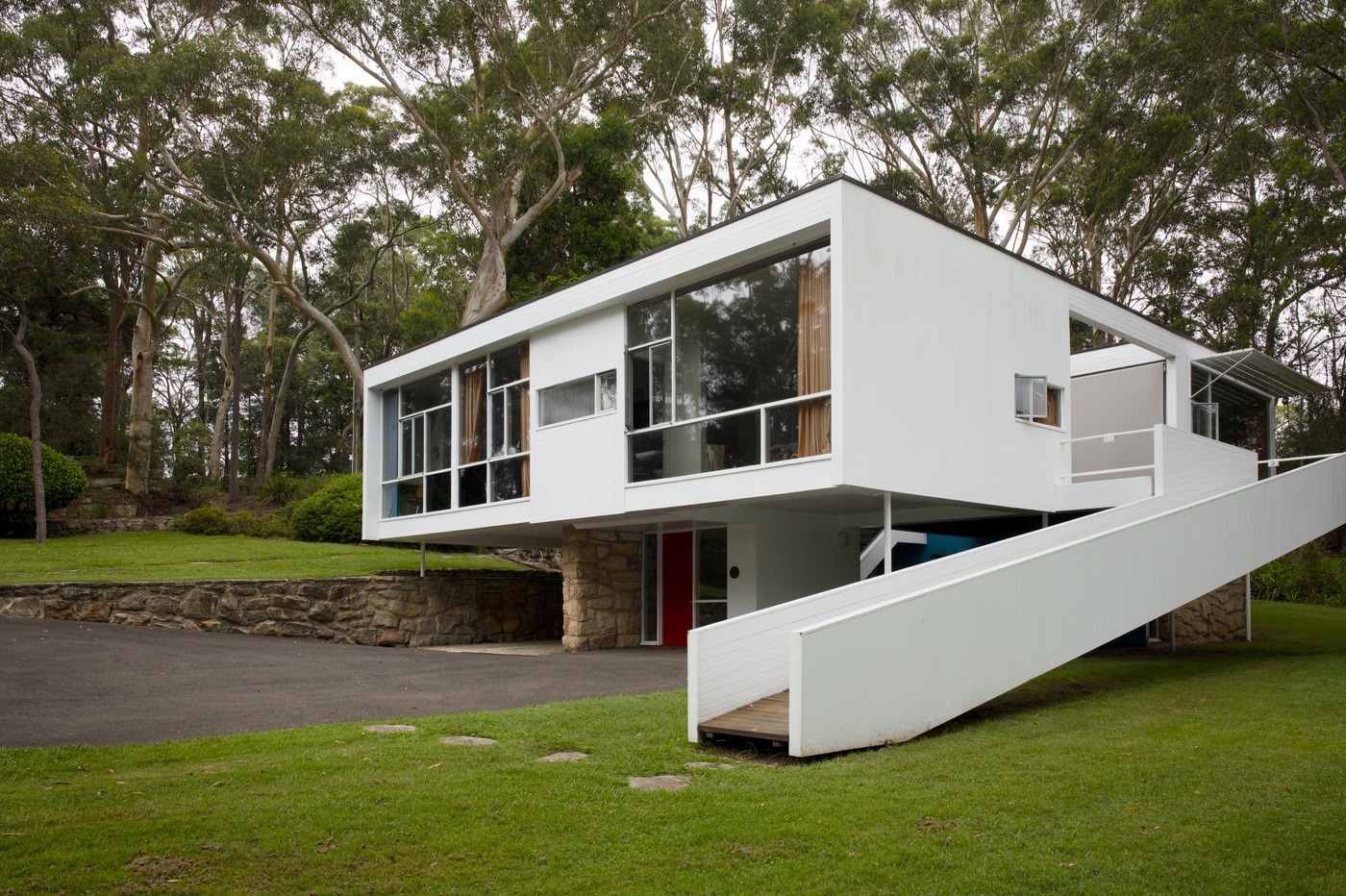
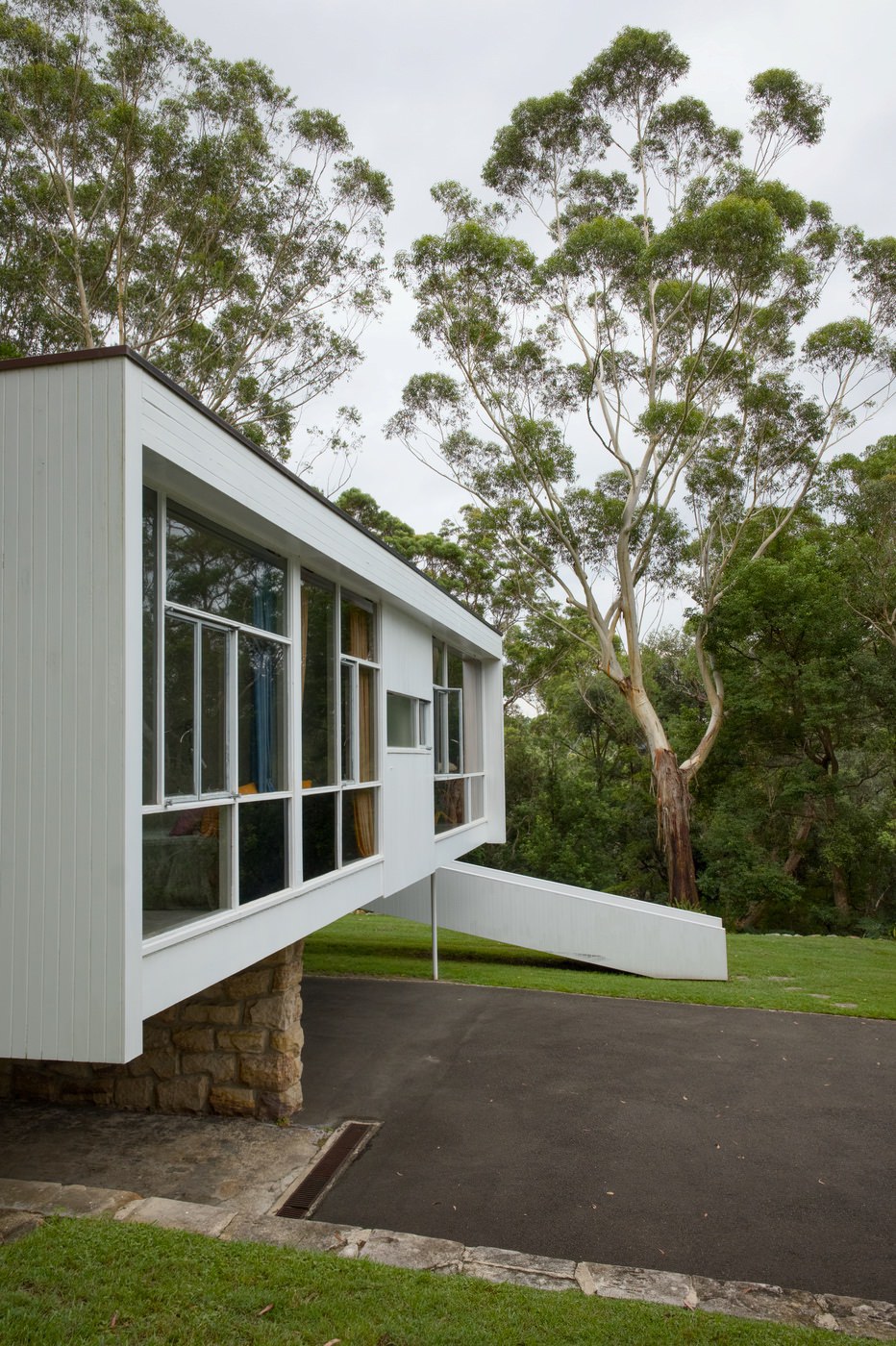
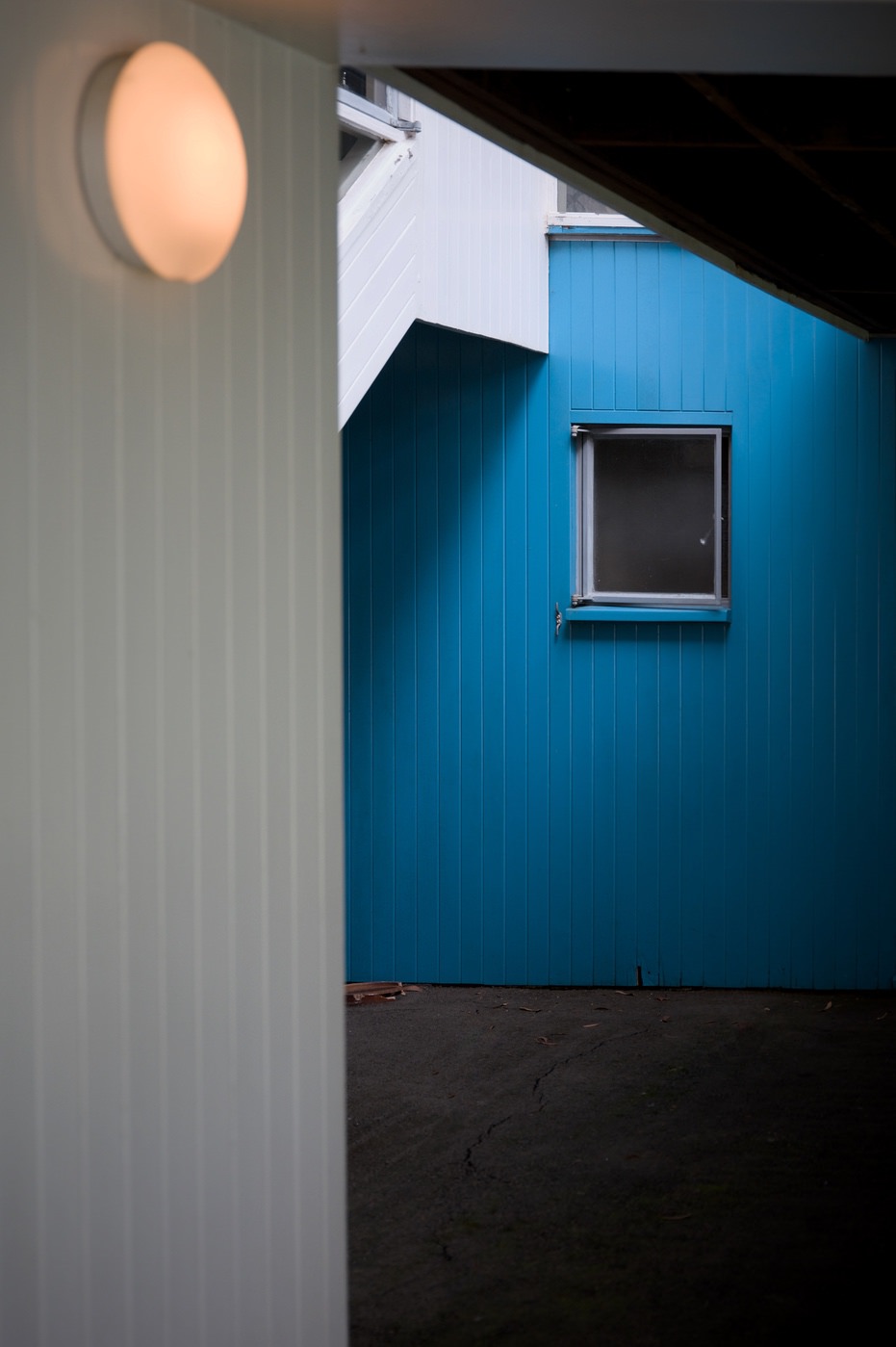
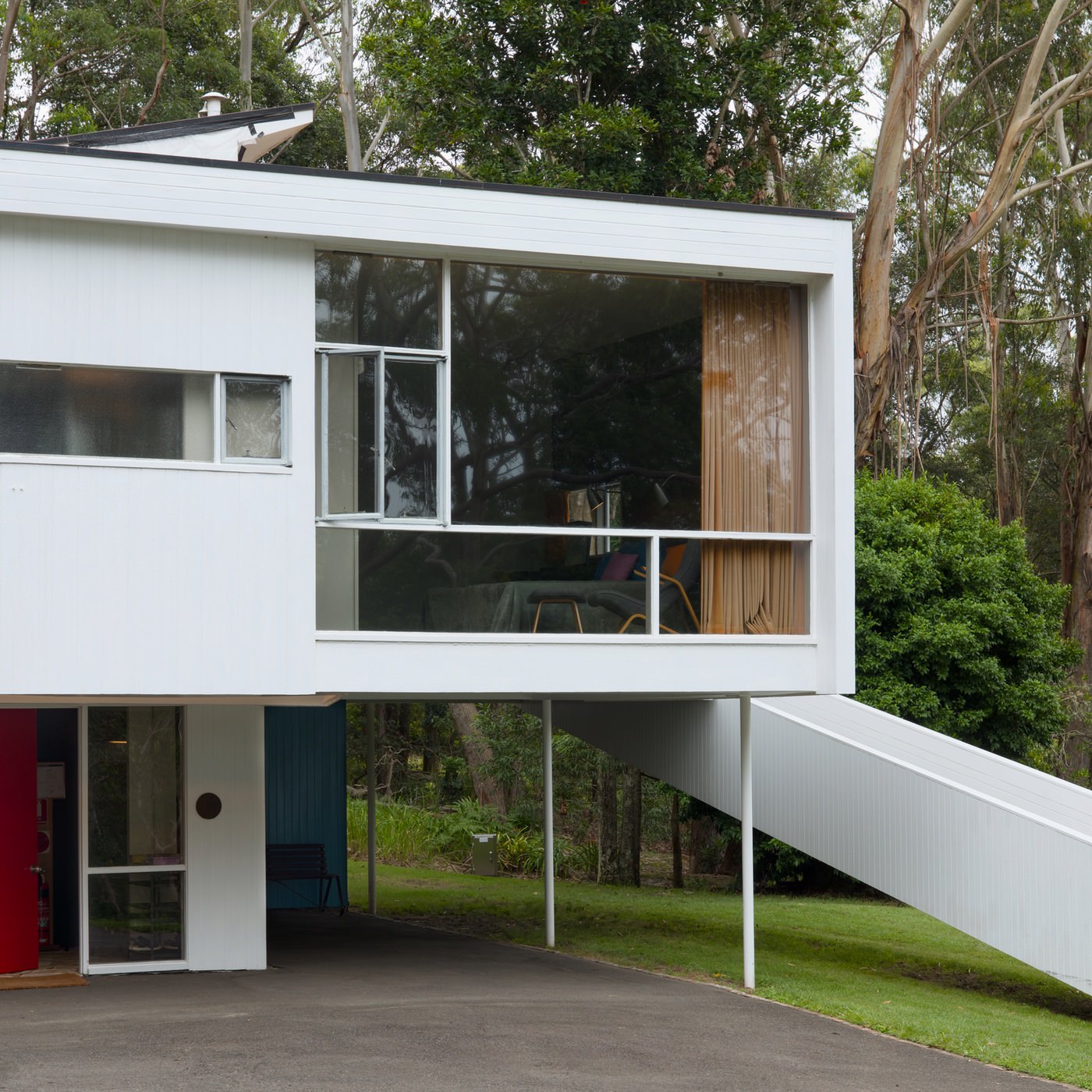
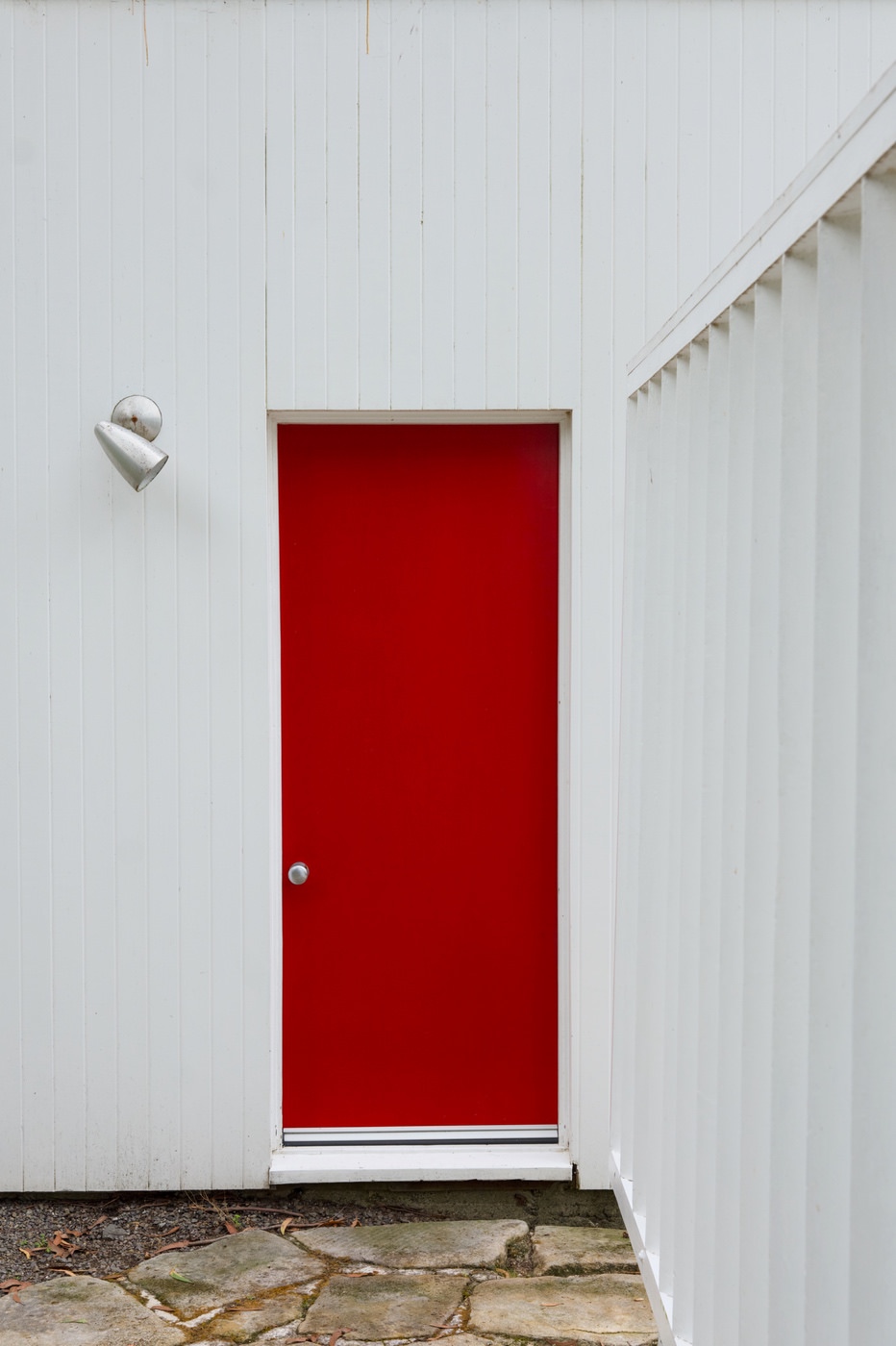
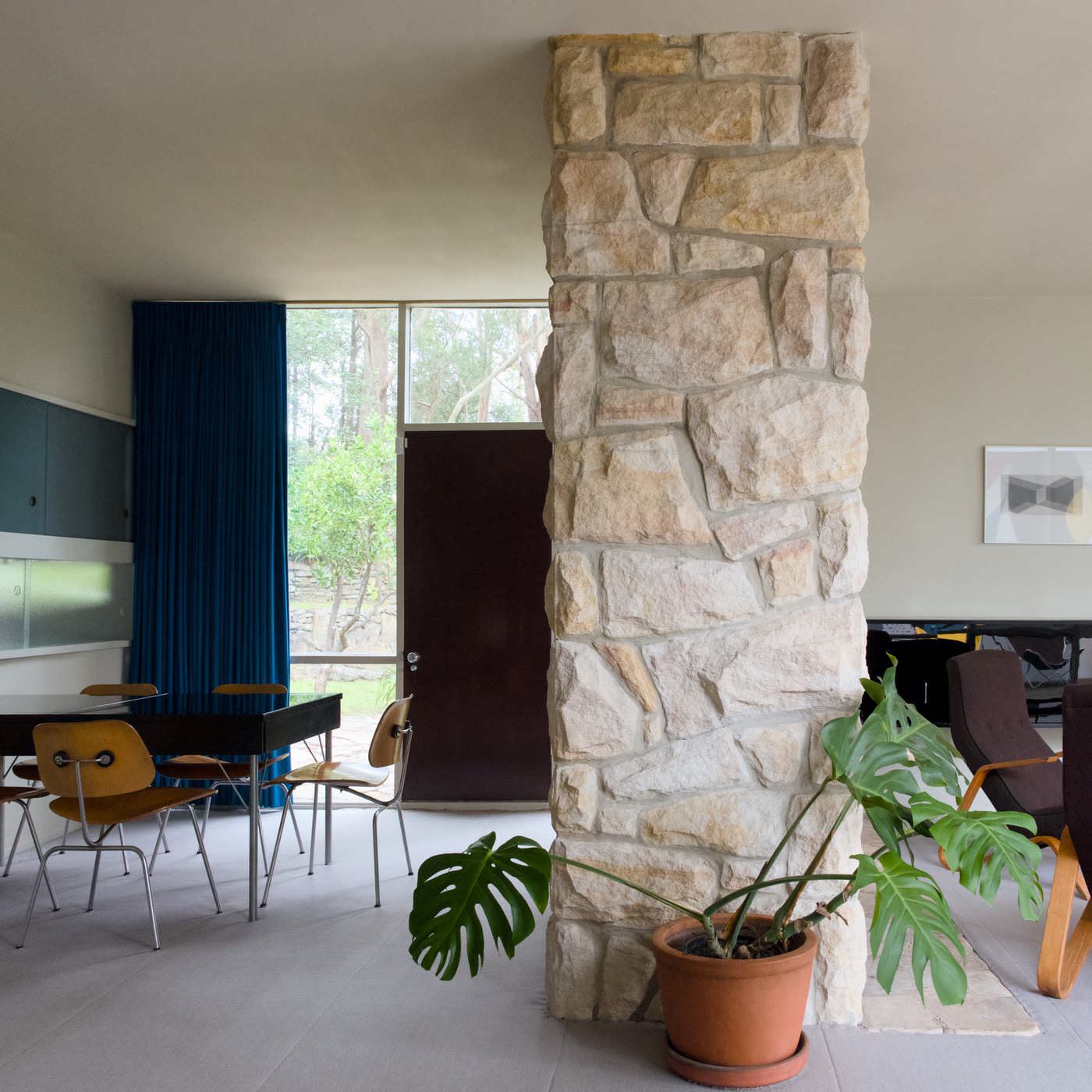
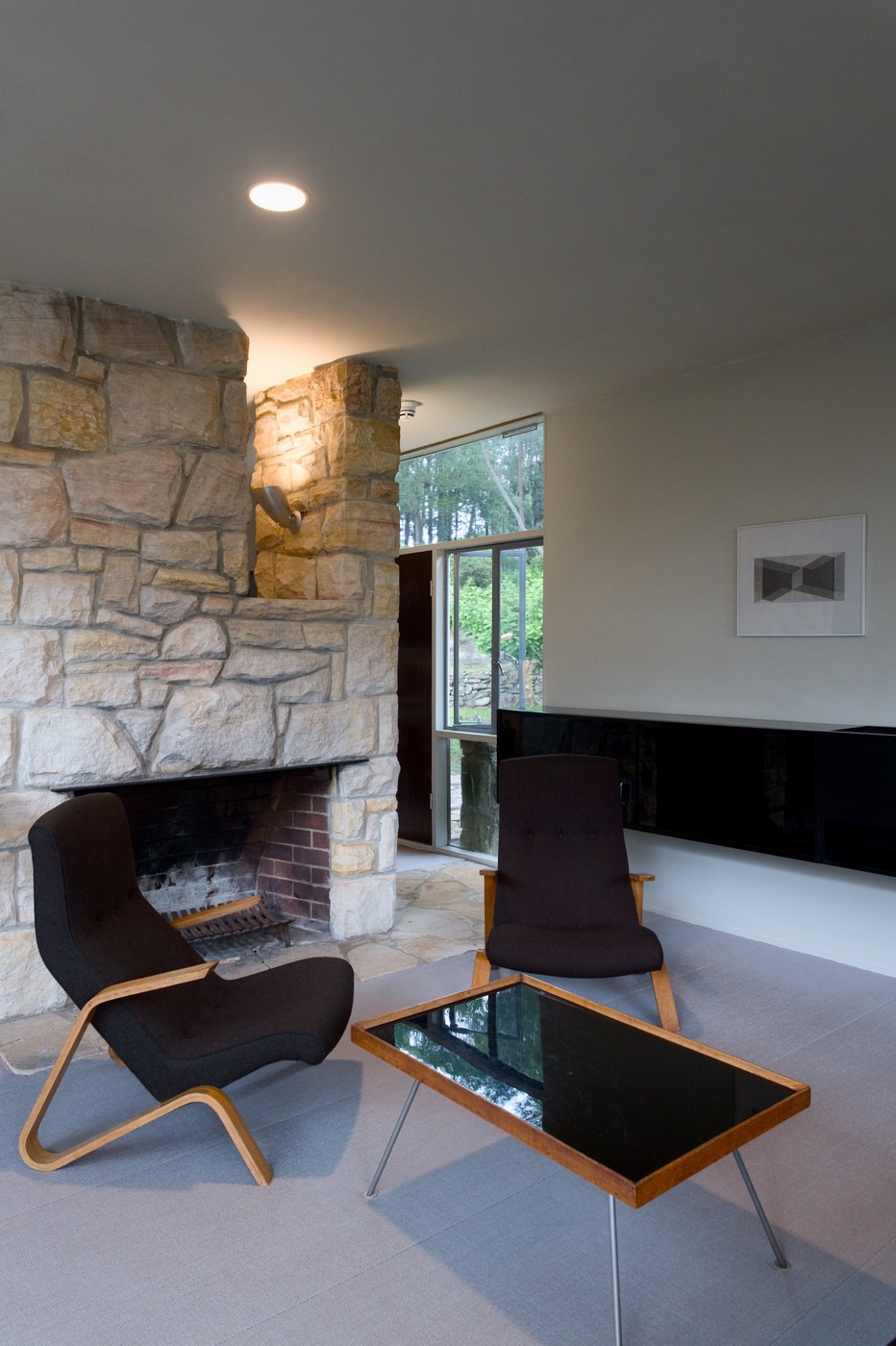
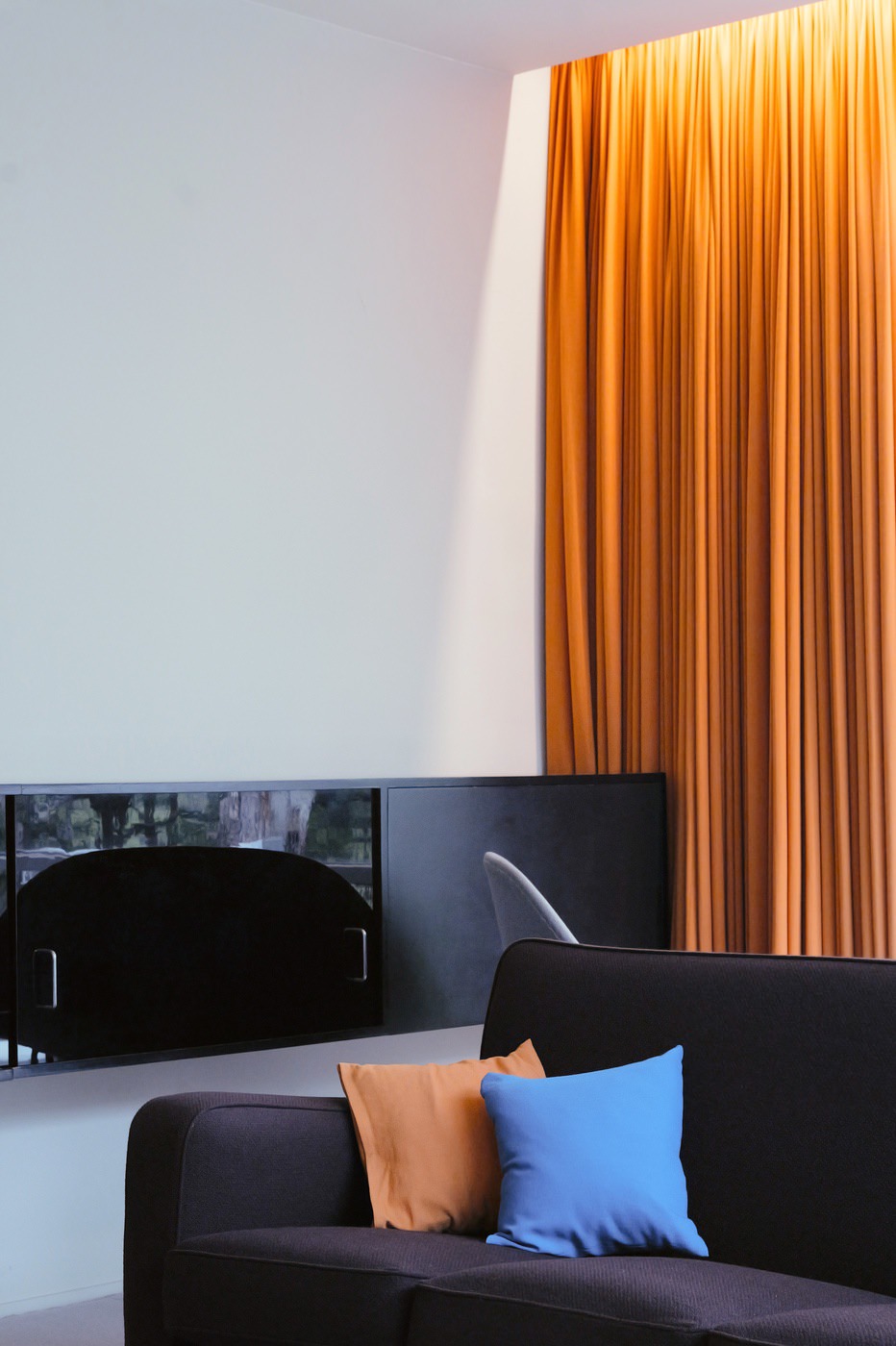
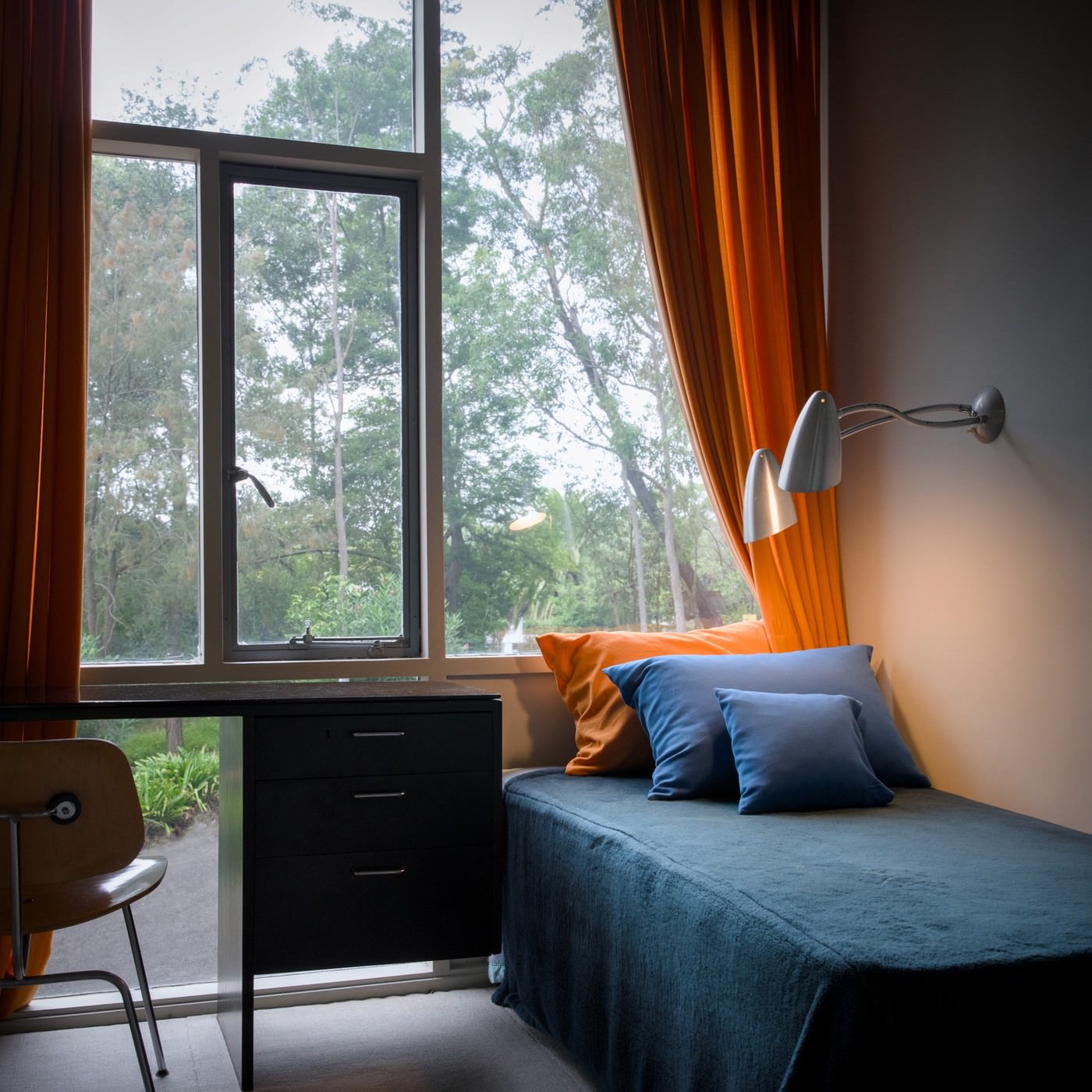
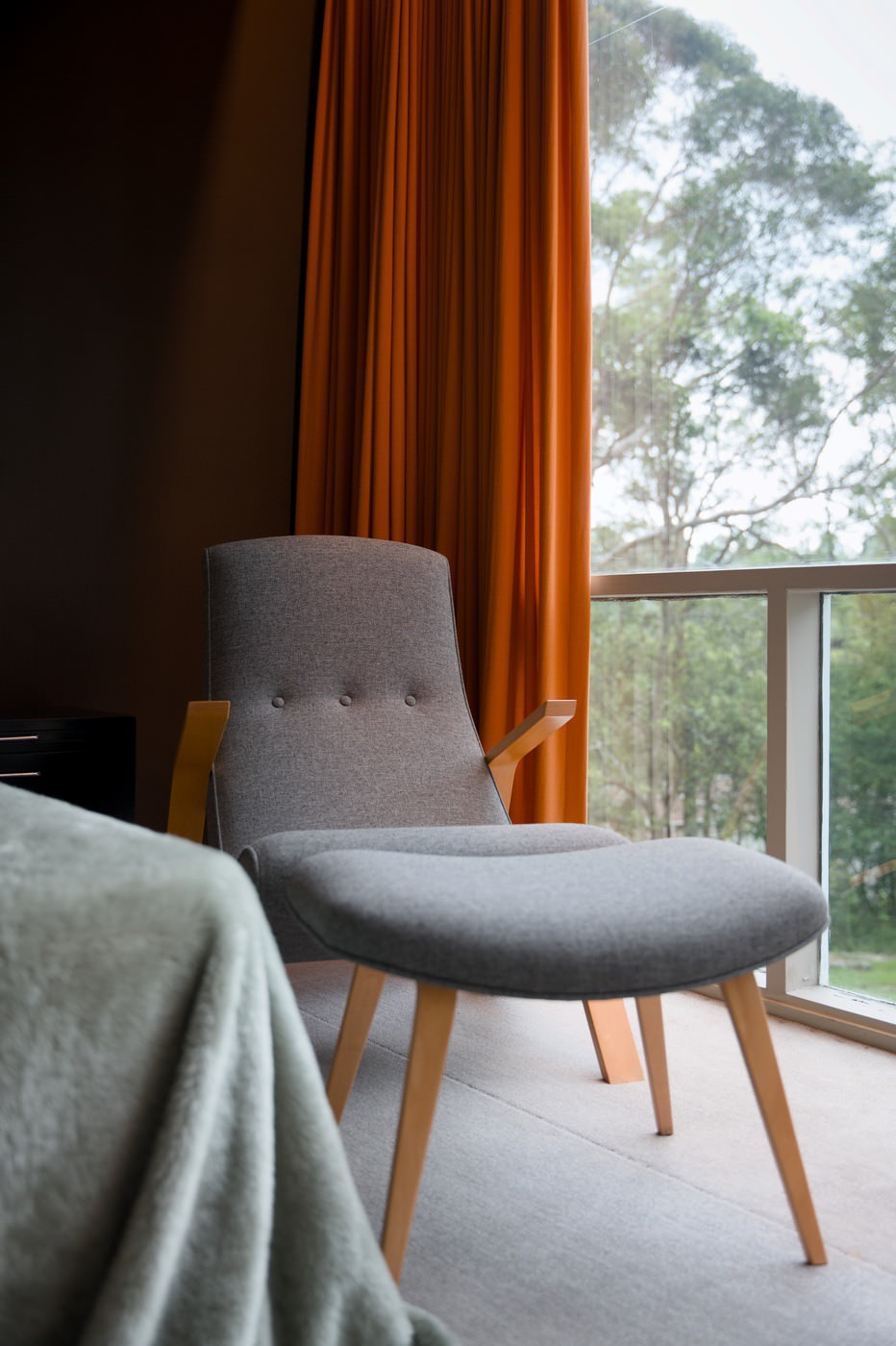
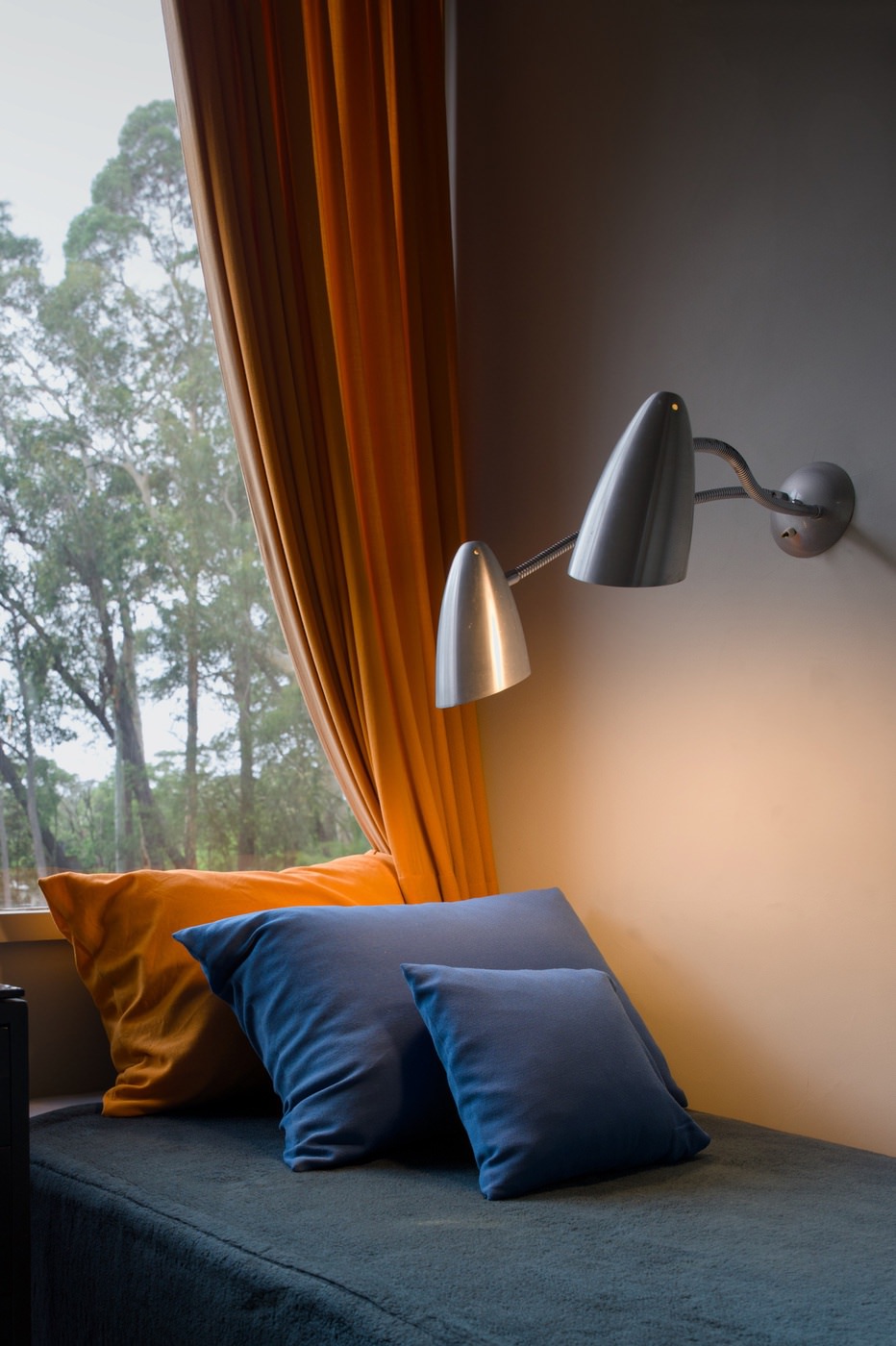
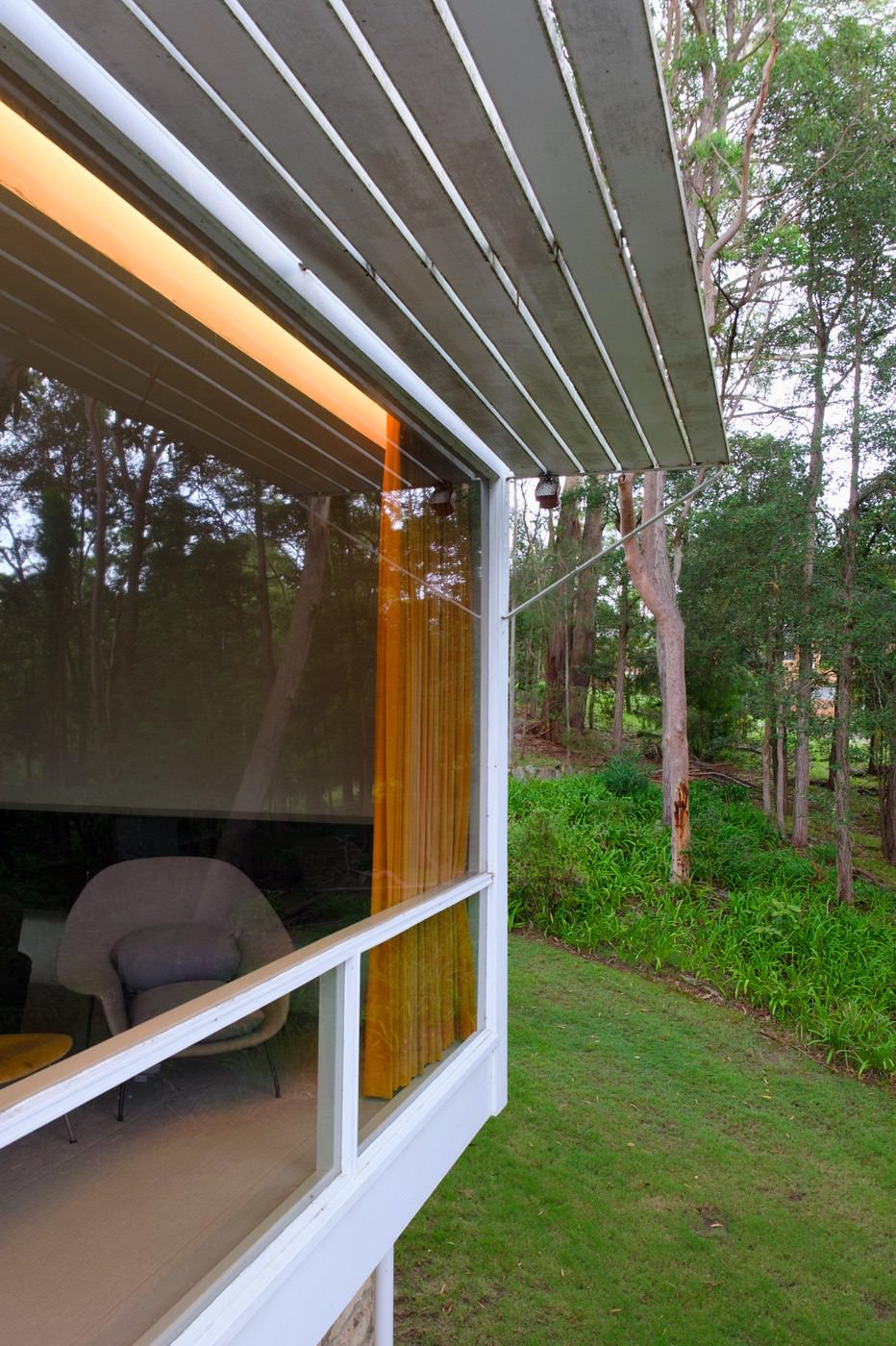
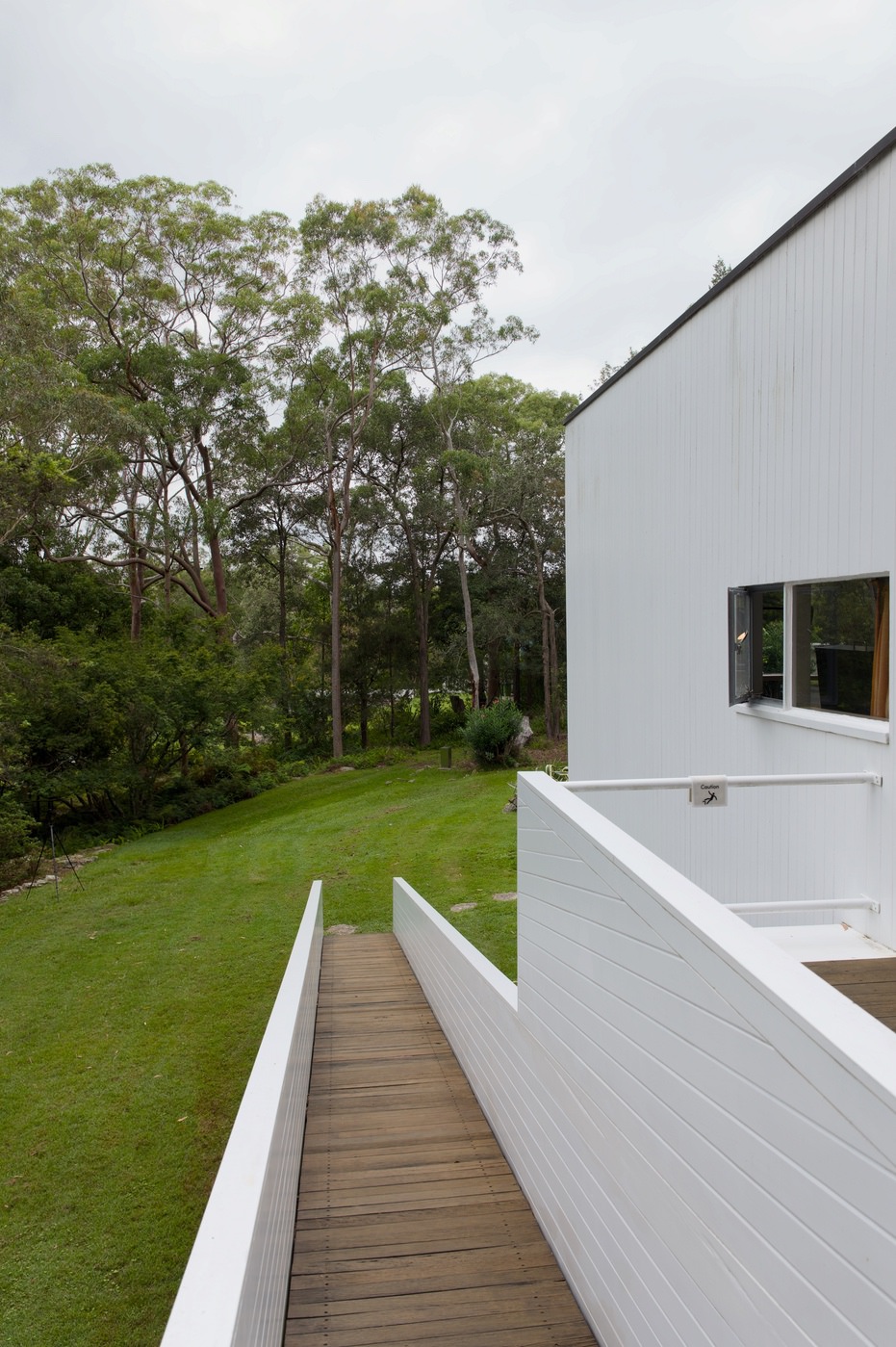
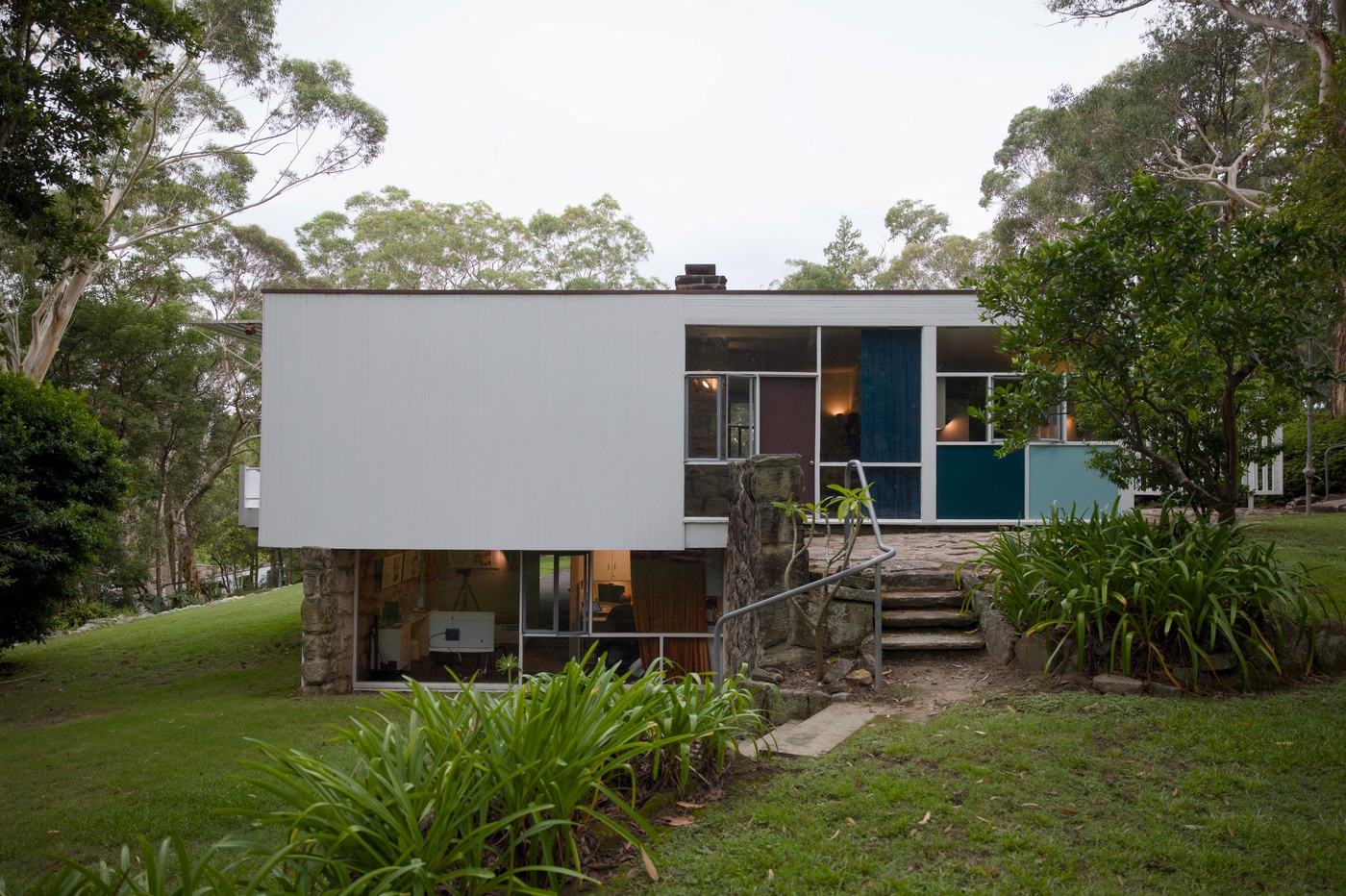
We then broke for lunch. And in the afternoon, we headed out to photograph the Rose Seidler House.
Before we left, someone asked Jack what he was hoping for from the light.
Whatever’s there, he said. You work with what you’ve got.
It was a rather grey afternoon.
Rose Seidler House
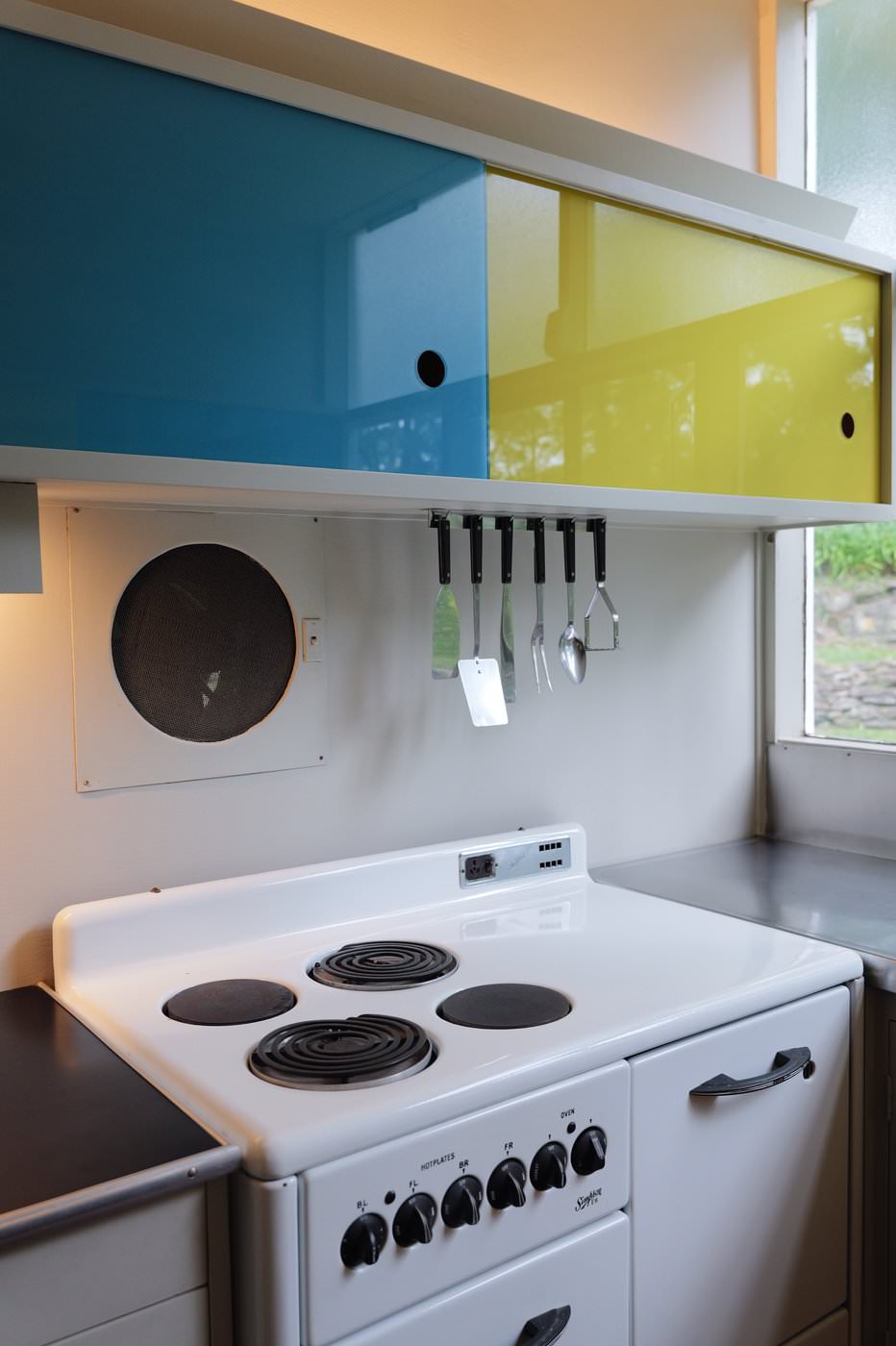
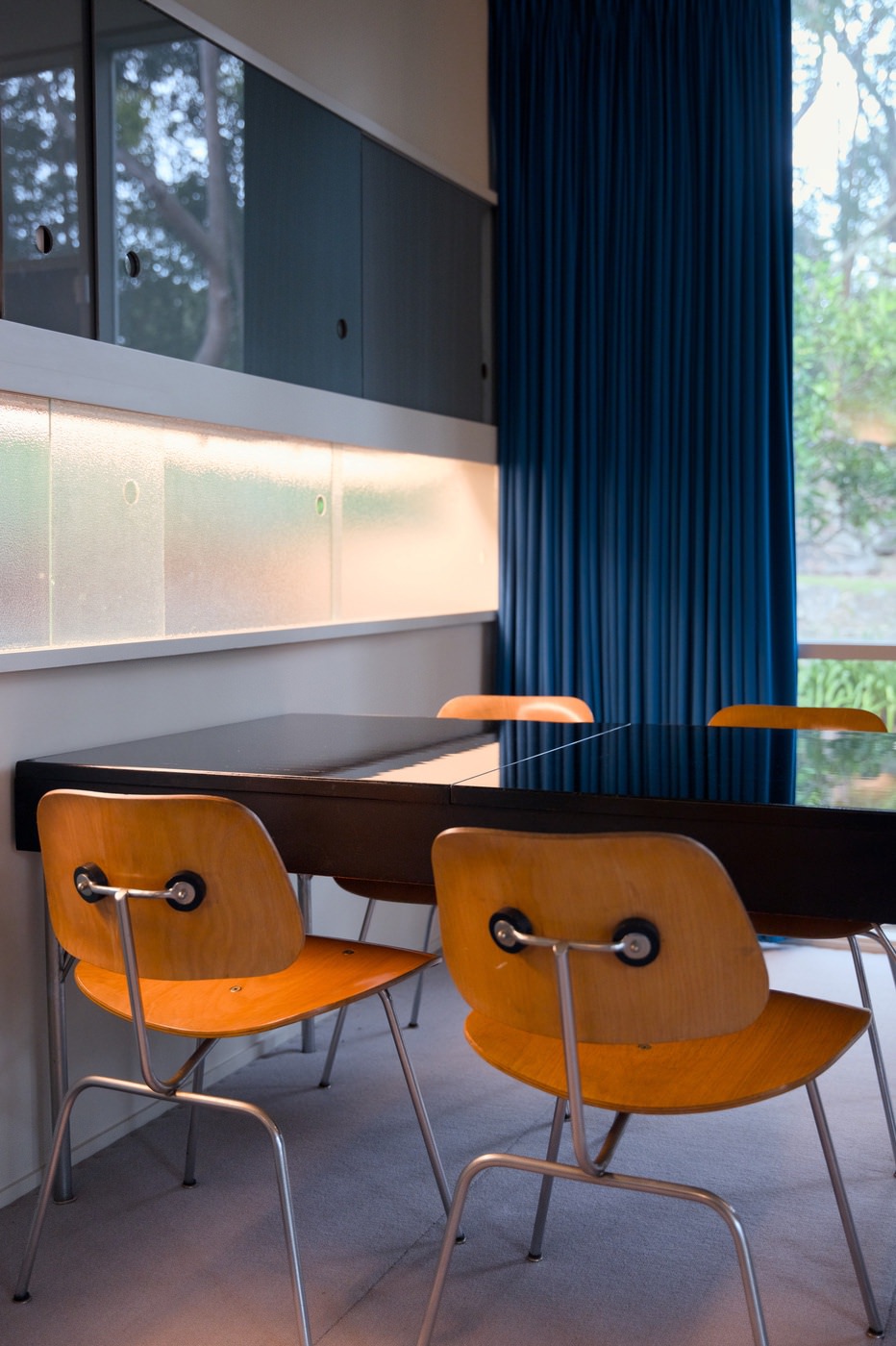
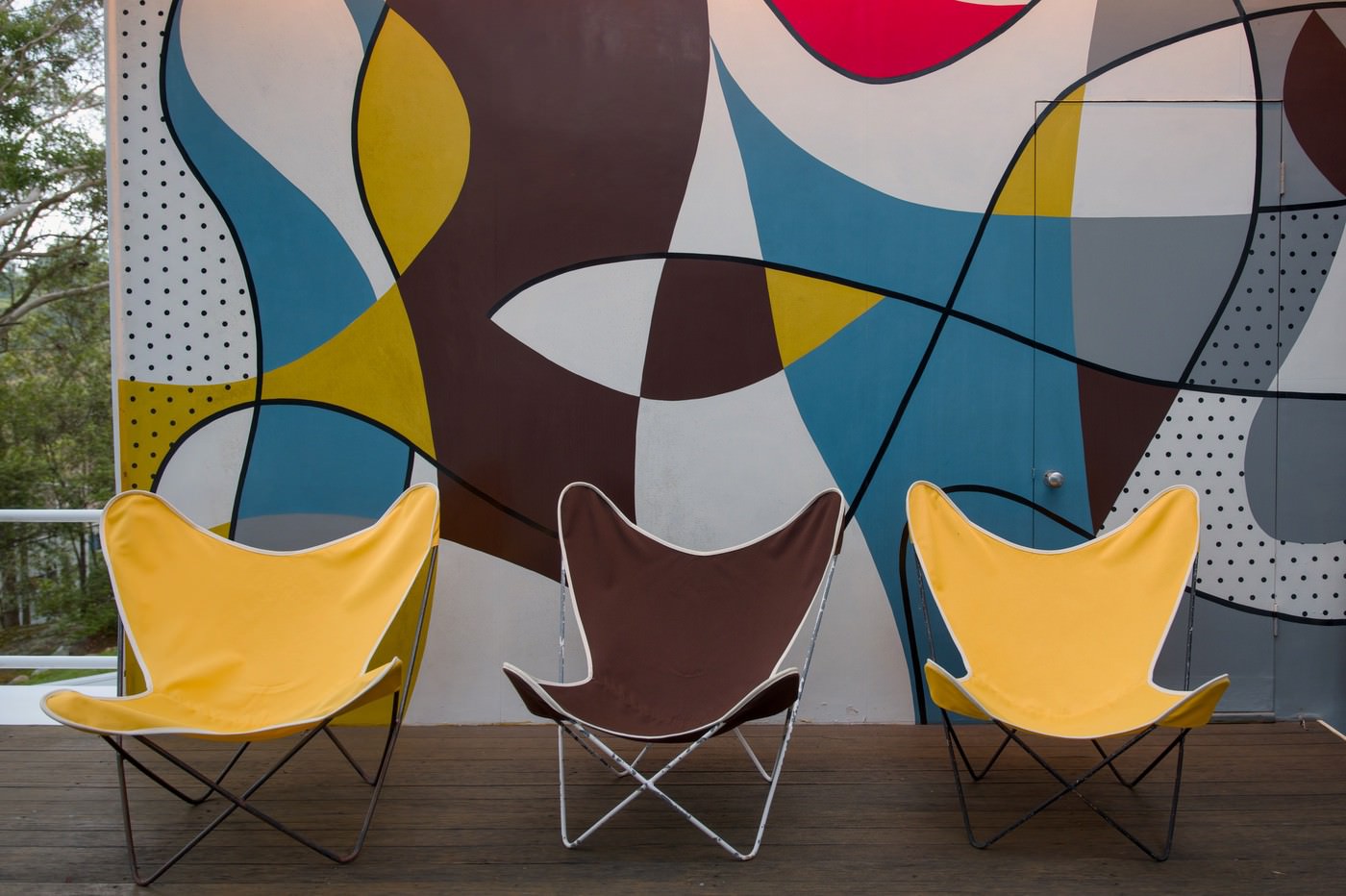
Shot on Leica SL3 with Leica 24-70